

Graffiti has always been about visibility—making a mark that others will see and judge. But in the age of social media, that visibility has exploded. Platforms like Instagram, Snapchat, and TikTok have amplified graffiti from local streets to global feeds. With every snapshot, story, or video shared, graffiti’s impact—both positive and negative—spreads much faster than ever before. This article explores how social media and graffiti culture intertwine: how digital platforms shape artists, influence property owners, and sometimes blur the line between expression and vandalism.
From Walls to Feeds: The Rise of Digital Graffiti Fame
Graffiti artists have always sought recognition, but social media has opened up new pathways. No longer confined to the physical wall, works of street art can now gain international attention overnight:
-
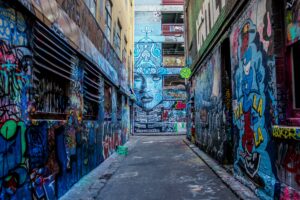
Artists post photos of murals, tags, or paste-ups. A striking piece in a Melbourne alley can be shared thousands of times, turning a local work into a digital landmark.
-
Platforms provide anonymity, but also risk: tagging, reposting, and “save” features can spread your work without consent.
-
Social media rewards “shareability.” Bold colour, clever typography, and unusual placements get more likes and re-posts, influencing style and technique.
This pattern is mirrored globally. A blog on “The Social Media Effect” argues that social platforms increase graffiti’s popularity by enabling artists to share their work widely, but also increase pressure on property owners concerned about damage and removal costs. Goodbye Graffiti™
The Dark Side: Vandalism, Legal Risk & Property Owners
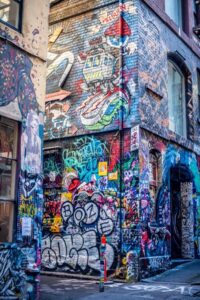
While graffiti art gets celebrated online, illegal tagging and vandalism also dominate many social media feeds. These often spark outrage from communities, especially when private or heritage buildings are involved. Key issues include:
-
Property owners posting photos of unwanted graffiti to shame taggers or call for action.
-
Courts, municipalities, and media using social media as evidence of vandalism or repeat offences.
-
Owners bearing removal costs and reputational damage—Instagram posts make graffiti not just local but visible to a broader audience.
An article on “How Social Media Shapes Public Perception of Graffiti” points out that while many posts help cultivate appreciation for street art, others reinforce the narrative of graffiti as destructive and costly.
How Social Media Influences Graffiti Styles & Motivation
The digital feedback loop—likes, saves, shares—is changing how graffiti gets made. Some effects:
-
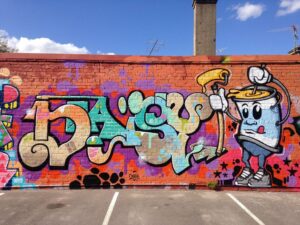
Artists experiment with styles that photograph well (friendly lighting, clear lines).
-
Humour, irony, allegory, and pop culture references are increasingly common as they travel well on social media.
-
Some taggers are motivated by social recognition rather than traditional “street cred.” The aim often includes going viral.
In studies like “‘I’d Double Tap That!!’: Street Art, Graffiti, and Instagram Research,” researchers show how Instagram influences both the production and consumption of graffiti—and how artists adapt to the visual grammar of platforms.
Balancing Act: Expression vs Regulation
Social media has empowered artists but also triggered stricter regulation and community pushback:
-
Some cities and councils monitor social media posts to identify frequent offenders.
-
Property law, heritage protection, and anti-graffiti bylaws get more public scrutiny because images provide evidence.
-
Some artists collaborate with council or real estate owners to create legal walls, murals, or “permissioned” projects partly because visibility boosts tourism and local culture.
Graffiti, Social Media & Melbourne
Melbourne has a rich graffiti and street art history. Social media has accelerated that:
-
Local artists use Instagram and TikTok to share their murals and grow following.
-
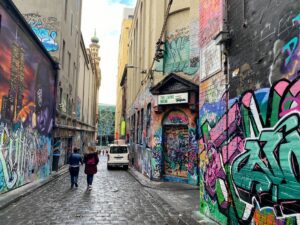
“Street art tours” promote laneway murals (e.g. Hosier Lane, Brunswick, Fitzroy), bringing visitors who snap and share.
-
The “Pam the Bird” tag sparked global interest partly because photos of it circulated widely. Wikipedia
Taking Control: How Artists & Communities Can Navigate the Digital Age
If you’re an artist, property owner, or policymaker, it’s useful to be aware of strategies that manage the tension between visibility and repercussions.
-
Artists sharing their process, watermarking work, or maintaining digital portfolios can protect their credit.
-
Property owners who remove graffiti quickly can reduce repeated damage and discourage repeat crimes.
-
Legal mural opportunities help harness graffiti culture in ways that benefit the community and the economy.
-
Policymakers and councils using social media for positive storytelling about murals, rather than only showing damage, help shift public perception.
Conclusion
Social media is reshaping graffiti culture in ways that are complex and powerful. It magnifies both the artistry and the controversy. It gives voice and visibility to creative expression, but also exposes artists to risk and property owners to costs. The key question isn’t whether social media affects graffiti—it’s how artists, communities, and cities adapt to this new canvas.


