

It is not easy to estimate the impact of graffiti and the costs to remove graffiti in Melbourne. But we do know the federal and state costs, and the costs to local government and private owners is high.
The estimated annual costs due to gang-related vandalism in Australia, including but not limited to graffiti, is $2 billion. Yet this is a conservative figure as this value is based on official reporting only. Not all gang-related vandalism gets reported to the police.
The cost of graffiti in Melbourne alone has been estimated at more than $100 million. But this figure does not consider the social cost of graffiti to Melbourne. Nor does it address the perception of security in public spaces. Thus, we can assume that the total cost, plus the social impact of graffiti, is much higher.

The Social Impact of Graffiti
There are many factors where graffiti is a major concern. Plus graffiti is the cause of many problems within the community:
- Firstly, graffiti attacks in Melbourne are frowned upon by the communities where they happen. In addition, graffiti is seen as a threat to their quality of life. Plus it poses a risk to a community’s security.
- Graffiti is one of the most obvious signs of deterioration and criminal behaviour. Graffiti symbolises a lack of order, decay, and antisocial behaviour among teenagers.
- Not only does graffiti have an impact on entire communities, but it also affects private properties.
- The cost of graffiti in Melbourne has the potential to harm both business profitability and private investment. Repeated attacks cost money.
- Whether true or false, graffiti is related to other criminal activities. It may also lead to an increase in crime levels among gangs.
- The costs to remove graffiti in Melbourne are expensive. These costs have either a direct or indirect impact as they are paid through insurance or your taxes which could be used somewhere else.
If graffiti remains, it contributes to the feelings of fear and insecurity within a community. These attacks give the impression that public spaces and private property are not respected. The image of graffiti as an act of vandalism, and its impact on security is based on illegal graffiti. This connects graffiti to other, more severe types of crime. There is a difference between illegal graffiti and street art.
The existence of graffiti within a community can also be blamed for a community’s concerns about ‘out-of-control’ crime. In addition, the presence of graffiti is considered a general indicator of a decline in quality of life and the safety of public spaces.

Perceptions and the Impact of Graffiti
According to a national survey about community satisfaction carried out in 2014, 85% of the survey respondents considered graffiti in Melbourne a big problem. The study shows that the presence of graffiti creates the idea that crime is more prevalent than it actually is.
Perceptions about graffiti also differ according to the attack location. Whether it is inside a metropolitan area, a regional zone or more rural community. Studies show that the perception of graffiti is inversely proportional to the population size. It’s worth noting that smaller communities are more likely to experience higher rates of anxiety about crime levels due to graffiti within their community.
Graffiti is one of the most obvious kinds of crime that may occur within a community. Other problems associated with graffiti include:
- Public disturbance and antisocial behaviour.
- Theft of materials like spray cans and markers to make graffiti attacks.
- Gang-related activities.
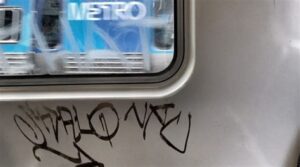
- Damage to property, which includes smashing windows or vandalising train and bus seats.
The relationship between graffiti and other crimes may influence adult opinions about teenager’s behaviour within their community.
The Cost of Graffiti in Melbourne
The financial burden of graffiti in Melbourne is substantial:
-
Annual Costs: According to the Australian Institute of Criminology, the estimated annual costs due to gang-related vandalism, including graffiti, in Australia are approximately $2 billion.
-
Local Government Expenditure: The City of Melbourne allocates significant resources to remove illegal graffiti, as outlined in its Graffiti Management Policy.
-
Private Sector Impact: Businesses face direct costs for graffiti removal, which can include labour, materials, and potential damage to vehicles or property.
A Final Word
Graffiti itself is illegal. If caught and prosecuted, offenders face jail time, heavy fines and end up with a criminal record. The Graffiti Vandalism Act 2016 states that the courts can hand down a fine of $24,000 and a two-year prison sentence for damaging property with graffiti. As many perpetrators are just kids, this may sound harsh. However, the victims of graffiti will probably agree that the punishment fits the crime.
What do you think? How would you deal with this problem?
References:
Keep Australia Beautiful


