

Aboriginal street art murals are transforming public spaces in Victoria, blending cultural heritage with community engagement to prevent graffiti vandalism. Two standout projects—the Bairnsdale Aboriginal Arts mural and the Shepparton Aboriginal Street Art Project—show how art can educate, inspire, and protect communities.
Bairnsdale Aboriginal Arts Mural: Transforming Public Spaces
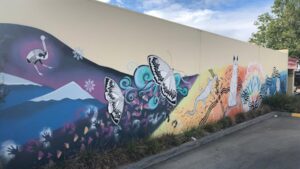
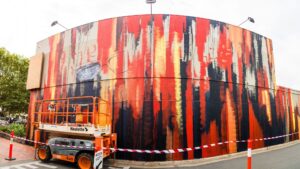
A large-scale mural in the heart of Bairnsdale is more than just a colorful addition to the city—it’s a strategic initiative to prevent graffiti vandalism. Inspired by the GunaiKurnai people’s history, the mural depicts the journey of the Bogong moth and the dingo traveling from the mountains to the sea, reflecting stories passed down for generations.
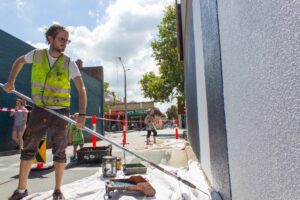
The project was coordinated by the East Gippsland Shire Council, engaging young people in public art while allowing the community to take pride in their surroundings and offering visitors insight into Aboriginal culture. Local Aboriginal youth, including members of Federation Training’s Koorie VCAL program, participated under the guidance of lead artist and mentor Alfie Hudson.
Workshops taught students about Koori history, storytelling through visual arts, spray painting techniques, and the difference between street art and illegal graffiti. By channeling their creativity into positive expression, these young artists gained a sense of belonging and ownership over their community spaces.
The Project’s Goals and Execution
The mural was specifically created to deter illegal tagging on a frequently vandalised car park wall. Previously, this wall required monthly cleaning, placing a continuous financial and labour burden on the council. More importantly, repeated vandalism contributed to a perception that the area was unsafe.
Recognising that local Koori youth could feel disconnected or alienated from their community, project partners designed the initiative to foster a sense of ownership and belonging. Potential graffiti offenders were invited to channel their creativity constructively, turning what could have been destructive energy into something positive and visible.
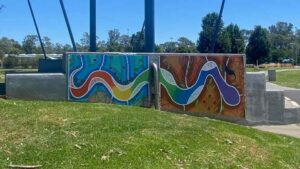
Lead artist and mentor Alfie Hudson guided the students through the project. Workshops included lessons on local Koori history, storytelling through visual arts, and the distinction between street art and illegal graffiti. Participants learned advanced spray-paint techniques, design principles, and explored the social consequences of vandalism, all while building artistic confidence.

Shepparton Aboriginal Street Art Project
Following the success of Bairnsdale, the Shepparton Aboriginal Street Art Project emerged to celebrate the region’s Aboriginal heritage. Named ‘Dana Djirrungana Dunguludja Yenbena-l’—meaning ‘Proud, Strong, Aboriginal People’ in Yorta Yorta—the project connects the new street art initiative with Shepparton’s CBD, fostering community engagement through cultural storytelling.
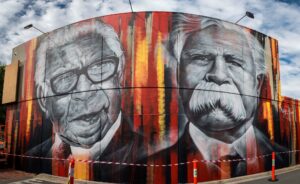
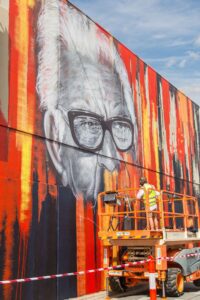
The project, led by Greater Shepparton City Council in collaboration with the local Aboriginal community, highlighted significant figures such as Uncle William Cooper and Pastor Sir Douglas Nicholls, whose contributions were previously unrecognised. The murals focus on honouring ancestral stories while creating vibrant public spaces that discourage vandalism.
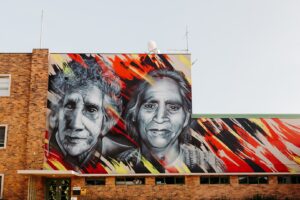
Council consultations revealed a strong local interest in honoring significant historical figures such as Uncle William Cooper and Pastor Sir Douglas Nicholls, rather than focusing on contemporary individuals. This approach strengthened cultural ties and provided a meaningful context for the artwork.
Achievements and Community Impact
The impact of these murals has been significant:
-
No Vandalism: Since completion, the murals have remained untouched, effectively deterring illegal tagging.
-
Community Pride: The artwork has increased local tourism, foot traffic, and passive surveillance, contributing to safer public spaces.
-
Youth Engagement: Students involved in the projects developed a sense of ownership and pride, nurtured through mentoring and community feedback.
Why Aboriginal Street Art Murals Matter
Beyond beautifying urban spaces, these murals act as a preventative measure against graffiti vandalism. They educate communities about Aboriginal culture, provide youth with constructive, creative outlets, and help maintain safer, more welcoming public spaces.
By investing in Aboriginal street art murals, councils and communities are not just reducing vandalism—they’re celebrating culture, fostering pride, and inspiring future generations of artists.
Final Thoughts
The Bairnsdale and Shepparton Aboriginal Arts murals demonstrate how creative expression can transform public spaces while reducing graffiti vandalism. By involving young people in meaningful cultural projects, communities not only enhance aesthetics but also cultivate pride, ownership, and stronger cultural connections.


